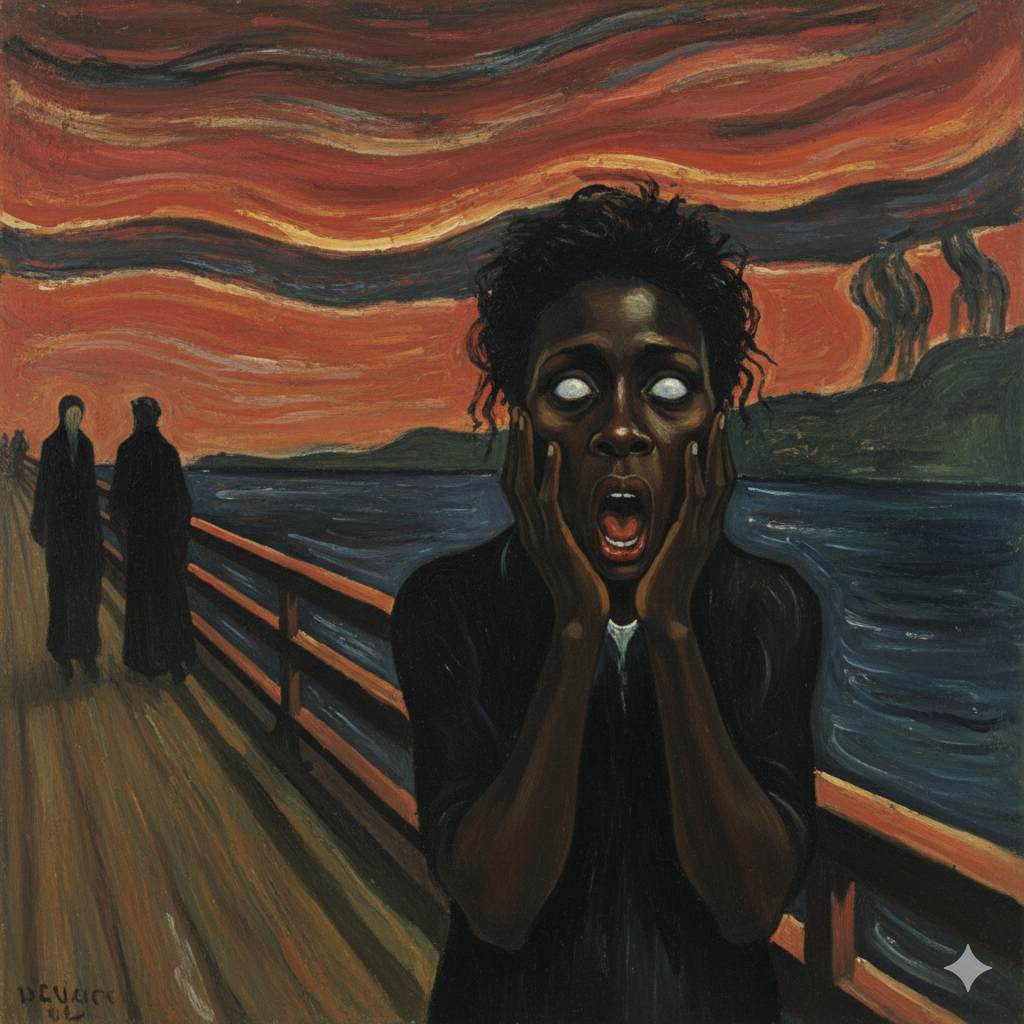
For me, it is less of a specific practice or method of writing and more of a ‘scream into the void, and wait to see what screams back’ approach.
There are a lot of questions involved. Why is no one writing about this? Is no one really writing about this? Am I crazy for doing this? What is the point, really? And possibly the most important of them all – what am I to do if something from the void does in fact, scream back? As a writer, I spend a lot of time as my own personal cheerleader and motivational coach, reminding myself of why I fell in love with this convoluted practice to begin with. So how does the process begin? If I were to find some point of origin, a through line that could pierce through the mania and chaos, I would have to say that the process of writing starts with a feeling.
As one can imagine, this trade comes with a wave of interchanging emotions; inspiration, doubt, confusion, pride, fear, hope and desire. Learning to accept and leverage these feelings is the first hurdle that I often find myself navigating through. What helps me every time is focusing on that first feeling. Really honing into what it is I want to say and how this idea, poem, or novella can be the best way to express the story of that emotion. This guides me, naturally, through the next door of the writing journey. Thinking through the thing.
This is, arguably, when the obsession starts to creep in. There are times when I spend weeks, months, years (there’s this antebellum / warrior princess story that’s been tickling the back of my head for almost a decade now) playing out the story in my head. I like to build the world from every angle. I like to craft the voices and lives of each character with the patient, judgmental eye of a critical and loving mother. I imagine myself to be a puppet master, of a sort; playing with my imaginary creations – testing and challenging them, watching them grow and struggle all in my mind’s eye. It is easy to get lost in this part, so tread lightly. Don’t fall so in love with your world that you end up trapped in it; or rather it in you.
When thinking, no matter the scale or the gravitas of the thing, I find it’s always helpful to be scribbling. (I call this part of the process the ‘pre-write to the freewrite.’) Inspiration often comes like a thief in the dark, so I want to be sure I have the tools available to catch it. I find it can also be helpful to search for remnants or echoes of my story in the real world. Where else can I find similar themes or characters? I look for them everywhere. In other books, in movies or plays, in old stories I halfway remember from childhood. When I find these echoes or muted shadows, I always like to try a little exercise. Find what I love about it; I write that story – a sequel, prequel, a fan fiction smut piece. I find something to hate about it; I write the better story – a tragedy that ends in comedy or a romance to revenge narrative. Once I get the play out of the way and the writing muscles are good and warm, next comes the second hardest part: sitting down to do that damn thing.
I have months of post-it notes, dissected thoughts, and characters ready to burst from my brain like Athena – now I find the will to do the work. I write. I do it every day. I start with a hook. A visual or an idea that pulls you in and makes you question, makes you want to know more. And then I tell the story. Slowly and methodically, I unfurl the world. I drop a new character that the reader hasn’t met, or tease an impending conflict later on in the story. And – at the risk of sounding cliche – the story begins to tell itself. Something takes over at this point and the characters who were begging to be born, the imaginary world that was desperate to be experienced, write themselves onto the page. Day after day. Word after word. This is where the spirit goes to work
Once I start, I don't stop. I might take a pause and walk away from the physical act of writing, but the movie continues in my mind. And when the moment finally happens and the story has played itself out into one hundred thousand words, the actual hardest part begins: the revision. I take a vacation, first – always. It's important to reward yourself for finishing the thing. And then come back and trim the fat. I read it over and over and I fix the plot holes, remove the excessive metaphors and just tell the story I set out to tell in the beginning. I lean on peer review during this process as well. What do other writers think? What do other readers think? And finally, comes the absolute hardest part: letting it go.
Letting it grow and stand on its own in the world. Prepared to be judged or loved, and maybe hopefully remembered.
